MAPX 205 VLSFO
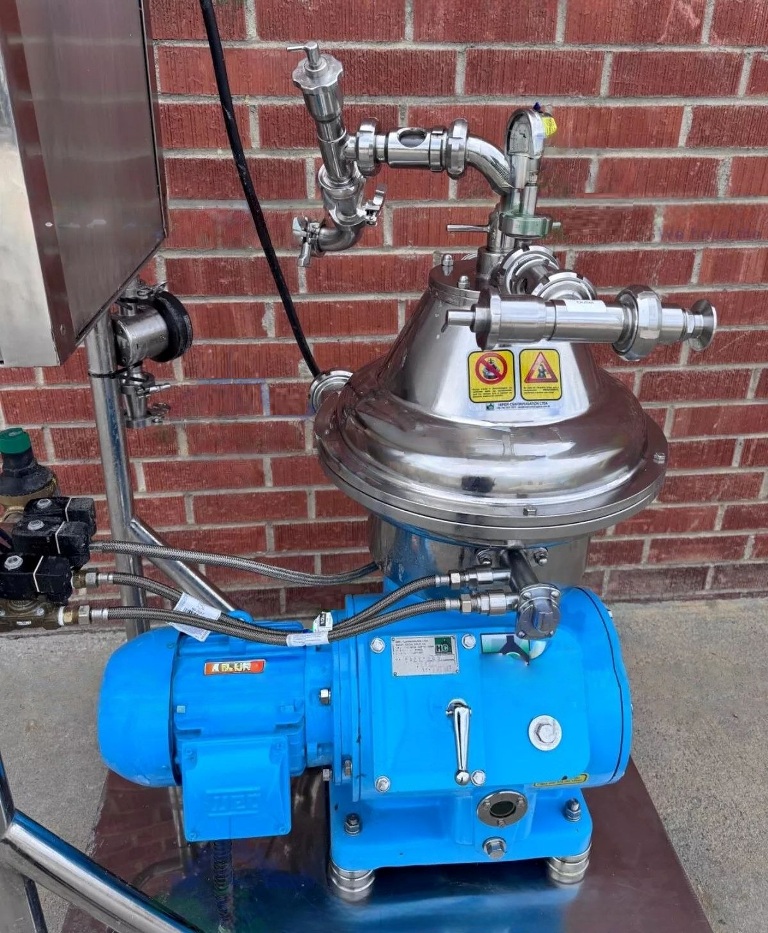
Alfa Laval Fuel Oil Treatment. The Alfa Laval Fuel Conditioning Module is a two-stage automated pressure booster system that conditions ship diesel fuel (HFO, MDO, MGO and alternative fuels such as methanol, LPG, ammonia and LNG). The system regulates purity, pressure, temperature, viscosity and flow according to ship engine manufacturer specifications. The FCM utilizes
Inspector Detail
▸
Common issues
- Fuel filter clogging with degraded VLSFO, increasing differential pressure
- Viscosity-control heater fouling, reducing heating efficiency
- Circulation pump seal wear causing fuel leakage
- Pressure control valve sticking, causing pressure or flow instability
- Sensor drift (pressure, temperature, viscosity) causing false alarms or poor combustion control
- Water/sediment contamination in VLSFO blends accelerating filter blocking and pump wear
- Automatic backflushing filter mechanism failing to actuate correctly
Inspection checklist
- Check filter differential pressure and backflush/cleaning cycle operation
- Inspect the circulation pump for leakage, noise, and vibration
- Verify heater performance against the set viscosity/temperature target
- Check the pressure control valve for correct modulation
- Verify calibration of viscosity, pressure, and temperature sensors
- Check for fuel leaks at flanged and threaded connections
- Verify alarm and trip functions (low pressure, high temperature, filter blocked)
- Check correct automatic changeover between fuel grades where fitted
Service intervals
| Filter element inspection/cleaning | weekly to monthly, dependent on fuel quality and backflush frequency |
| Circulation pump seal inspection | bauart-typical 4,000-8,000 running hours - confirm against maker's manual |
| Sensor calibration check | annually |
| Heater element inspection | annually, or at first sign of reduced heating performance |
Critical spares
- Filter elements/cartridges
- Circulation pump mechanical seal kit
- Pressure control valve diaphragm/seal kit
- Pressure and temperature sensor units
Safety
- Hot fuel oil under pressure - risk of burns or injection injury from leaks at pressurized joints
- Fuel heated above its flash point in an enclosed module - fire risk if it leaks onto hot surfaces
- Fuel mist/vapor accumulation risk in poorly ventilated module enclosures
Class survey
Fuel oil supply systems for the main engine are typically Continuous Survey Machinery items; surveyors generally want to see filter/pump maintenance records, functional testing of low-pressure and high-temperature alarms/trips, and confirmation that any automatic fuel-grade changeover works correctly (relevant to sulphur-cap compliance). Note: the equipment's own description points to a two-stage automated pressure booster/conditioning module rather than a centrifugal purifier as the product-type field suggests; this entry is written to the conditioning/booster module.
Components & Design
Component data being added…
Technical Data
🤖 Ask about this model
One free question — answered like a marine engineer. No account needed.
Common failures & inspection points
Monitor and document differential pressure of automatic back-flushing filter; Check switchover to manual bypass filter; Control wear condition of disk elements; Replace filter if visual wear or insufficient cleaning; Inspection interval every 2,000 operating hours or at differential pressure alarm
Check EVT20 viscosity sensor for functionality; Compare EPC50V/EPC70 controller display setpoint/actual value; Test heater thermostat function (for oil FCMs); Viscochief 3 calibration and sensor cleanliness check; Viscosity range ±5% from setpoint (engine-dependent, typical 10-40 cSt @ 50°C); Document fuel changeover ramp tracking
Check pressure in high-pressure stage: 6-16 bar (engine-dependent); Inspect low-pressure pumps (reserve/service pump) for vibration, noise and leakage; Test pump switchover logic (redundancy check); Check flow sensor at outlet (flow transmitter signal stability); Monitor pump current consumption (VFD versions)
Check thermostat setpoint (typical 55-95°C for HFO, engine-dependent) on EPC display; Compare heater outlet temperature with infrared pyrometer or built-in sensor; Check heating element current consumption; Inspect heater block for lime deposits and wear; Test bypass valve for function; Inspection interval: annually or if temperature deviation >5°C
Compare FlowSync pump speed with engine load signal; Compare separator feed flow with setpoint (variable flow, not constant); Check feed return pressure valve for wear; Verify tank level sensor (safety limit value); Monitor VFD pump speed output signal; Inspection interval: every 500 operating hours or after fuel type change
EPC50V/EPC70 controller boot sequence test; alarm LEDs and display fault codes document; alarm acknowledge button test for function; safety circuits (emergency shutdown, cooling/heating enable, leak test, purge) check; cable connections and connectors inspect for corrosion; emergency switchover to manual operation training; inspection interval: every 6 months or per service recommendation
Type-general inspection and maintenance points for this equipment category — not model-specific.
Suppliers & Spare Parts
Direct links to manufacturer, datasheet, spare-parts portal and dealers — request access below.
📄 Request sourcing links & documentsCases, daily reports, timesheets and AI troubleshooting in the OceanSphere Marine app — free for 14 days.
Start free trial →Find manufacturers, repair shops and spare-part dealers in the Maritime Network — our global company directory.
Maritime Network →