PP LPG/LNG 8in x 18m
Parker/Polyflex PP LPG/LNG 8in x 18m — Cargo Hoses & Manifolds. The supplied category identifies the equipment as LPG/LNG Cargo Hose, and it is normally installed at the cargo manifold, ship-to-ship transfer station or offshore transfer arrangement where cargo is passed between vessel and shore or another vessel. In that listed role, its primary purpose is to provide a flexible or fixed pressure-containing path for liquid or liquefied-gas cargo transfer. LNG, chemical, floating, submarine and ship-to-ship hoses differ in material, reinforcement and transfer environment, while manifold components provide the fixed vessel interface. Within the supplied list, neighbouring variants are distinguished by their model designations and naming, while the source does not state further model-specific hardware differences. No additional performance, approval or construction detail is inferred from the model code beyond the information supplied in the source record. For exact ratings, dimensions, settings, capacities, materials and variant-specific limits, refer to the manufacturer documentation for the exact figure.
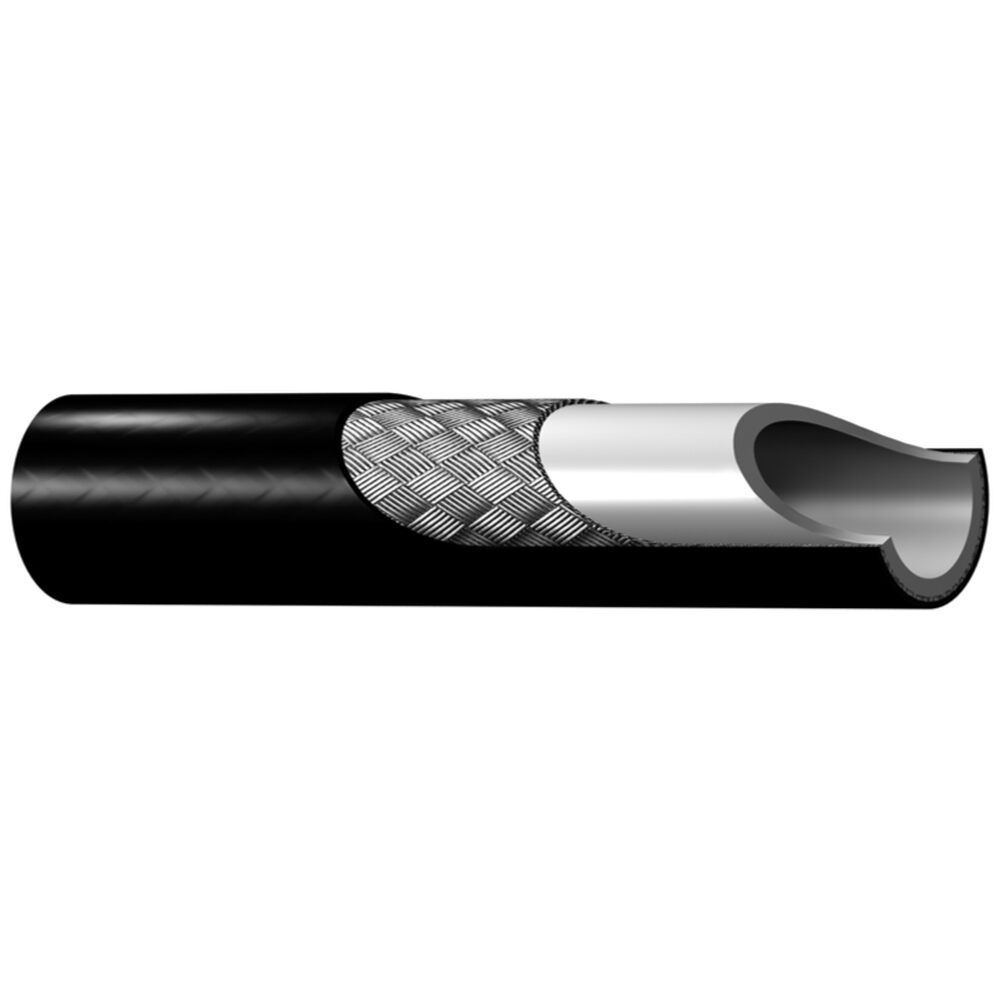
Components & Design
Component data being added…
Technical Data
🤖 Ask about this model
One free question — answered like a marine engineer. No account needed.
Common failures & inspection points
Service & Maintenance
Inspect hose cover, end fittings, flanges, gaskets, supports, bend condition and any bonding or monitoring features before transfer. Review certification, pressure-test and service records required by the vessel's cargo procedure. Remove any hose with unexplained blistering, exposed reinforcement, leakage or damaged end fittings from service pending assessment. Refer to the manufacturer and cargo-system documentation for the exact figure for pressure, bend, temperature and retirement criteria.
Suppliers & Spare Parts
Direct links to manufacturer, datasheet, spare-parts portal and dealers — request access below.
📄 Request sourcing links & documentsCases, daily reports, timesheets and AI troubleshooting in the OceanSphere Marine app — free for 14 days.
Start free trial →Find manufacturers, repair shops and spare-part dealers in the Maritime Network — our global company directory.
Maritime Network →