MAN V28/33D
The MAN V28/33D is a medium‑speed, four‑stroke marine diesel main engine with a 20.3 L cylinder volume, delivering about 455 kW per cylinder at 1 000 rpm and designed for high fuel efficiency and low emissions.
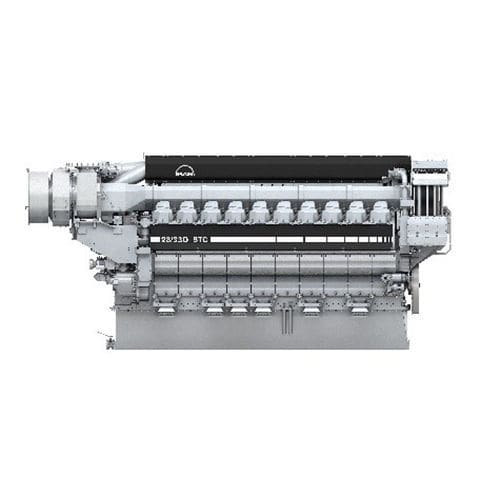
Inspector Detail
▸
Common issues
- Exhaust valve burning and seat wear due to high thermal loads and fuel quality.
- Fuel injector nozzle fouling or wear, leading to poor combustion, high EGTs, and increased fuel consumption.
- Cylinder liner wear and piston ring breakage/sticking, resulting in blow-by, increased lube oil consumption, and reduced compression.
- Main and connecting rod bearing wear or damage, often linked to lubrication oil quality, pressure, or alignment issues.
- Turbocharger bearing failure, compressor/turbine fouling, or surging, impacting engine performance and efficiency.
- Corrosion in cooling water spaces (jackets, coolers) or external components due to inadequate water treatment or salt air exposure.
- Malfunctions of electronic control units (ECUs), sensors, or wiring due to vibration, moisture, or age.
- High-pressure fuel pump element wear or seizure, causing fuel delivery issues and cylinder imbalance.
Inspection checklist
- Visual inspection for leaks (fuel, lube oil, cooling water, exhaust gas), corrosion, loose fastenings, and general cleanliness of the engine and surroundings.
- Monitoring of operational parameters: individual cylinder Exhaust Gas Temperatures (EGTs), turbocharger speed/boost pressure, lube oil pressure/temperature, cooling water pressure/temperature, and fuel pressure/temperature. Check for deviations from normal operating ranges.
- Crankcase inspection: Check for abnormal blow-by, unusual noises, and verify the functionality of the oil mist detector (OMD).
- Fuel injection system: Assess fuel pump rack positions for balance, check for proper spray pattern (if possible), and verify injection timing.
- Exhaust system: Inspect for leaks, integrity of insulation, and condition of expansion bellows. Listen for abnormal exhaust noises.
- Safety devices: Test overspeed trip, low lube oil pressure shutdown, and high cooling water temperature shutdown functionality.
- Foundation bolts: Visually inspect for tightness, signs of fretting, or corrosion.
- Control system and sensors: Verify readings against local gauges, check alarm history, and test critical sensor functionality.
- Lubricating oil analysis: Review recent lab reports for wear metals, TBN (Total Base Number), viscosity, and water content to identify potential issues early.
Service intervals
| Daily Checks | Before start, during operation, after stop |
| Minor Service (Filters, Oil Analysis) | 250 - 500 hours |
| Fuel Injectors Overhaul | 3,000 - 6,000 hours |
| Exhaust Valve Overhaul | 6,000 - 12,000 hours |
| Piston Overhaul (Rings, Liner Inspection) | 12,000 - 18,000 hours |
| Connecting Rod Bearings Inspection/Renewal | 12,000 - 18,000 hours |
| Turbocharger Overhaul | 12,000 - 24,000 hours |
| Main Bearings Inspection/Renewal | 24,000 - 36,000 hours |
| Major Engine Overhaul | 36,000 - 50,000 hours |
Typical wear limits
| Cylinder Liner Wear (Max Taper/Ovality) | 0.6 - 0.8 mm |
| Piston Ring Groove Wear (Max Side Clearance Increase) | 0.15 - 0.2 mm |
| Main/Connecting Rod Bearing Clearances (Max Increase over New) | 0.1 - 0.2 mm |
| Crankshaft Deflection (Max Deviation between adjacent webs) | 0.03 - 0.05 mm |
| Exhaust Valve Seat Recession (Max from New Position) | 1.0 - 1.5 mm |
| Turbocharger Rotor Radial Clearance (Max Increase over New) | 0.05 - 0.1 mm |
Ranges are typical for this design class. Always confirm against the manufacturer documentation for your serial number.
Critical spares
- Complete Fuel Injector (or nozzle/needle valve assembly)
- Exhaust Valve Spindle and Seat Ring
- Full set of Piston Rings for one cylinder
- Connecting Rod Bearing Shells (one complete set)
- Assorted Gaskets and O-rings for cylinder head, fuel pumps, and critical connections
- Fuel Filters (primary and secondary elements)
- Lube Oil Filters (elements)
- Critical Sensors (e.g., EGT, speed, pressure, temperature)
Safety
- Crankcase Explosions: Risk from oil mist ignition; ensure oil mist detector is functional and crankcase relief valves are clear. Adhere strictly to crankcase entry procedures.
- High-Pressure Fuel Leaks: Potential for fuel spray leading to fire; regularly inspect high-pressure fuel lines, connections, and shielding for integrity.
- Hot Surfaces and Exhaust Gas Leaks: Risk of severe burns from uninsulated components and asphyxiation or fire from leaking exhaust systems. Ensure proper insulation and gas-tightness.
- Rotating Machinery: Danger of entanglement or crushing from crankshaft, flywheel, and turbocharger during operation or improper maintenance. Always ensure machinery is stopped and secured before working.
- Overspeed: Catastrophic engine failure if the overspeed protection system fails. Regular testing of the overspeed trip mechanism is paramount.
Class survey
Class surveyors typically check the following for a MAN V28/33D main engine: Review of engine logbooks, maintenance records, oil analysis reports, and spare parts inventory. Operational tests including starting/stopping, emergency shutdown, and overspeed trip test (if due). Visual inspection for general condition, absence of leaks (fuel, lube oil, cooling water), integrity of pipework, insulation, and foundation bolts. Functionality check of critical alarms and shutdowns (low lube oil pressure, high cooling water temperature, high EGT). Inspection of crankcase relief valves, flame traps, and oil mist detector. Verification of fuel and lube oil system integrity. Inspection of the exhaust system for leaks and insulation. Verification of emergency maneuvering capabilities. Depending on the continuous survey scheme, specific components (e.g., cylinder heads, pistons, bearings) may be opened for inspection on a rotational basis.
Components & Design
Component data being added…
Technical Data
🤖 Ask about this model
One free question — answered like a marine engineer. No account needed.
Common failures & inspection points
Inspect strainers weekly in dirty water operations; replace impeller annually per maintenance schedule
Inspect turbine blade condition visually; measure boost pressure performance curves; check exhaust gas temperature signature
Monitor fuel injection timing via CAN interface; inspect injector spray pattern at full load; check return fuel temperature and volume
Monitor exhaust valve temperature via thermocouples; inspect valve seat color and surface finish during major overhaul; adjust fuel treatment additives
Perform borescope inspection at 500-1000 hour intervals; measure liner wear with gauge; inspect oil analysis for Si/Fe particulates and viscosity trends
Type-general inspection and maintenance points for this equipment category — not model-specific.
Service & Maintenance
Wartung per Hersteller-Handbuch und Klassifikationsgesellschafts-Anforderungen. Jährliche Inspektion bei Class Survey. Ersatzteile per Herstellerangabe bevorraten.
Suppliers & Spare Parts
Direct links to manufacturer, datasheet, spare-parts portal and dealers — request access below.
📄 Request sourcing links & documentsCases, daily reports, timesheets and AI troubleshooting in the OceanSphere Marine app — free for 14 days.
Start free trial →Find manufacturers, repair shops and spare-part dealers in the Maritime Network — our global company directory.
Maritime Network →