FBV
Naniwa FBV — Fresh water and sea water cooling.
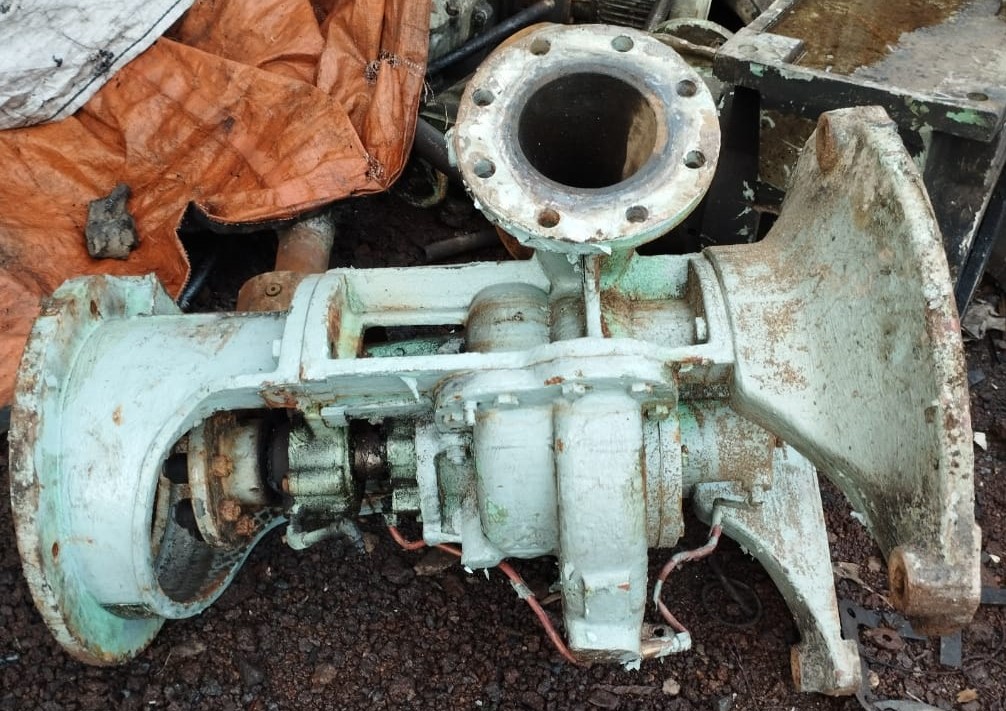
Components & Design
Component data being added…
Technical Data
🤖 Ask about this model
One free question — answered like a marine engineer. No account needed.
Common failures & inspection points
Inspect impeller blade leading edges and pump volute for erosion patterns, pitting, cratering. Install inlet pressure transmitters; baseline trend shows >10% sustained drop indicates strainer/suction piping issues requiring immediate investigation.
Conduct vibration analysis baseline; 25% increase in any axis warrants investigation; 50% increase indicates imminent failure. Listen for grinding/rattling; verify motor current draw against baseline. Monitor bearing temperature if equipped with sensors.
Visual inspection of wear rings for abrasion patterns; measure impeller-to-casing clearance with feeler gauges per manufacturer specs. Replace renewable wear rings per maintenance interval (quarterly to annually depending on seawater quality).
Inspect seal faces for wear, corrosion, deposits. Measure seal flush water pressure/flow. Check for weeping or spray from seal cavity. Verify seal water temperature within specification (typically ≤40°C for marine duty). Replace per manufacturer interval or if leakage observed.
Record baseline inlet pressure at pump suction; check sea chest strainer differential pressure regularly. If inlet pressure drops >10% from baseline, inspect/clean sea chest strainer immediately. Verify suction line diameter adequate per installation design.
Type-general inspection and maintenance points for this equipment category — not model-specific.
Suppliers & Spare Parts
Direct links to manufacturer, datasheet, spare-parts portal and dealers — request access below.
📄 Request sourcing links & documentsCases, daily reports, timesheets and AI troubleshooting in the OceanSphere Marine app — free for 14 days.
Start free trial →Find manufacturers, repair shops and spare-part dealers in the Maritime Network — our global company directory.
Maritime Network →